
The Irresistible Appeal of Glass Cladding in Modern Architecture
In the world of modern architecture, glass cladding—often in the form of curtain walls—has become synonymous with sophistication, transparency, and innovation. From corporate skyscrapers to residential towers, glass façades define the skyline with their striking presence and smart performance. But what exactly draws architects, developers, and occupants to choose glass? Let’s dive into the aesthetic, environmental, and practical reasons behind its soaring popularity.
1. Sleek Aesthetics & Visual Impact
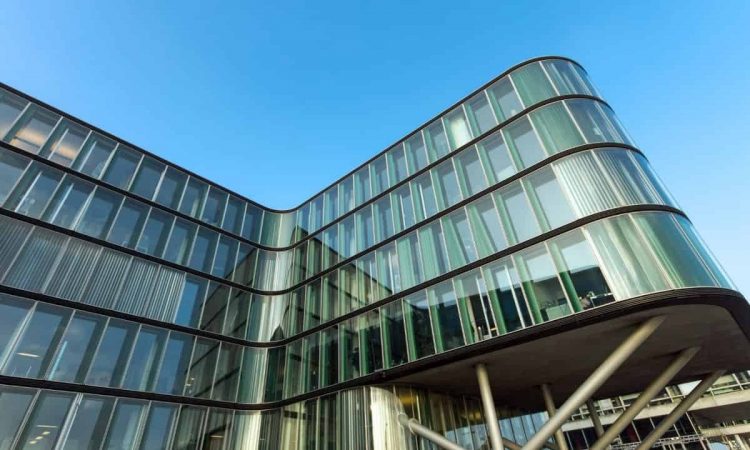
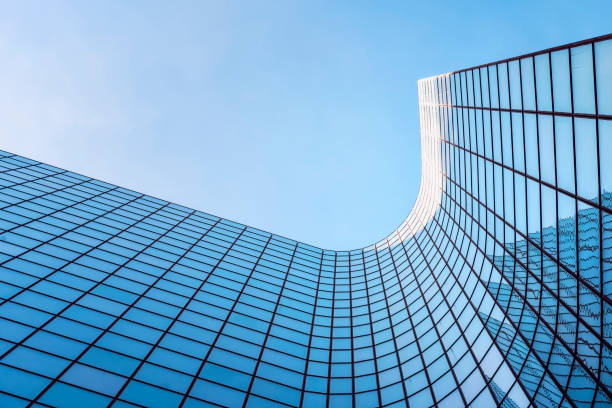
Glass façades radiate a sense of modern minimalism. The smooth, unbroken surfaces create facades that appear ethereal and light—virtually floating in space. As the environment shifts from daylight to dusk, the glass reflects changing hues, giving buildings an ever‑evolving character
Iconic examples like Lever House in New York, one of the first full-glass International Style office buildings, symbolize how glass can convey transparency and openness in urban contexts. Even earlier, Oriel Chambers in Liverpool—built in 1864—is considered the first metal‑framed glass curtain‑wall structure, laying the groundwork for what glass façades would become.
Architects also leverage customizable glass types—tinted, reflective, fritted, patterned, or curved—to craft unique architectural identities tailored to a building’s surroundings and brand imag
2. Flooding Interiors with Natural Light
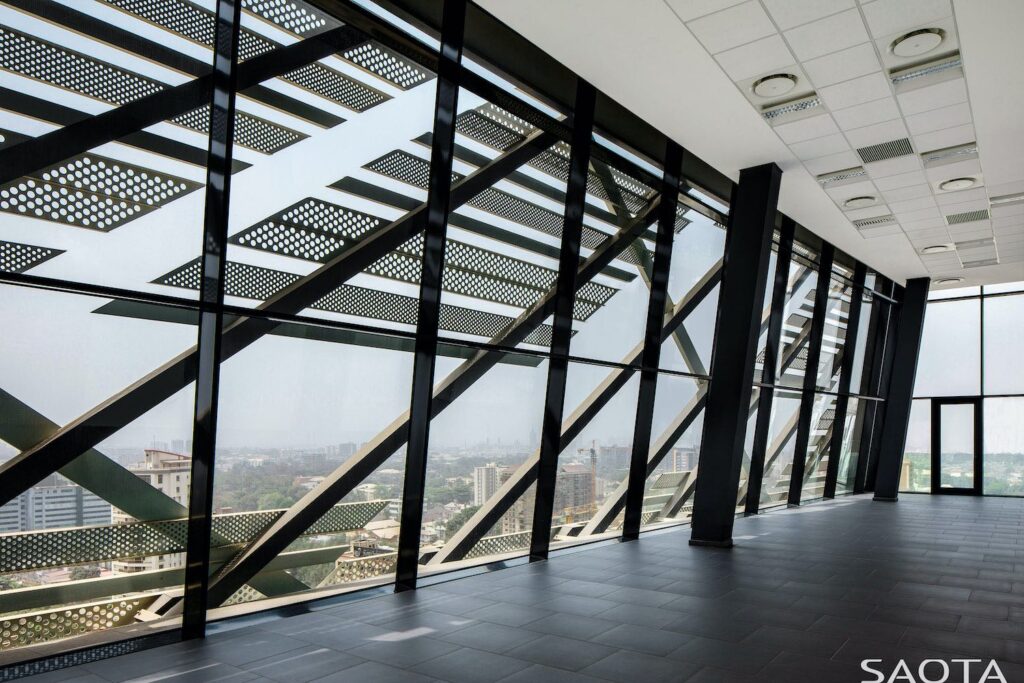
One of the most practical appeals of glass cladding is its ability to bring daylight deep into a building. Large glazed panels reduce the reliance on artificial lighting, brightening interior spaces and creating inviting environments for occupants. This not only cuts energy consumption but also enhances human well-being, as exposure to sunlight improves mood, concentration, and productivity—sometimes by more than 70%
In large open-plan offices or atrium spaces, daylight creates a sense of spaciousness and connectivity with the outdoors, tapping into biophilic design principles that promote harmony between people and their environments.
3. Energy Efficiency & Sustainability
Modern glass cladding isn’t simply decorative—when paired with energy‑efficient glazing (e.g. Low‑E coatings, double/triple insulation), it forms a high-performance envelope. These advanced systems reduce both heat gain and heat loss, helping to minimize HVAC loads and lower utility costs substantially—often up to 30 % in energy savings over traditional façades
Glass is also recyclable and can reduce the reliance on heavy materials like concrete or brick, aligning with green building ideals. Many glass façades now incorporate smart glass technologies—like electrochromic or suspended particle devices—which automatically adjust transparency for daylight control, privacy, or solar shading.
With net‑zero and LEED standards rising in prominence, glass cladding systems offer a clear path toward sustainable architecture, especially when integrated with renewable energy solutions or passive design features.
4. Acoustic Comfort & Weather Resistance
High‑performance glass façades, especially those using laminated or sound‑insulating glazing, provide excellent noise reduction—vital in urban areas or near busy roads. This improves comfort inside offices, classrooms, and residences by significantly dampening ambient sound pollution.
Glass curtain wall systems are also engineered to resist wind and rain penetration, thermal movement, and structural loads—while anchoring to supporting frames that are largely non‑load‑bearing Glass Interiors.
Aluminium or steel framing paired with tight seals creates a weather‑tight envelope that maintains performance even in harsh climates, all while retaining a clean, sleek look.
5. Design Flexibility & Modularity
Glass cladding allows architects tremendous freedom of form. Modules can be curved, angled, recessed, or patterned, enabling dramatic visual expression. Façades can be customized with spandrel glass, fritting, or colored glazing to suit branding, context, or solar performance goals
Additionally, the modular nature of curtain wall panels simplifies installation and future maintenance: individual glass units can be removed and replaced without major disruption to the structure.
The flexibility extends to mixed-use buildings: operable vents, integrated louvers, and double-skin façade cavities can all be incorporated to balance daylight, ventilation, and climate control in innovative ways
6. Brand Value & Long-Term ROI
Glass façades convey premium quality and innovation, which can significantly elevate building branding and perceived value. Commercial office towers with full-glass envelopes typically attract higher rents or higher occupancies, due to the prestige of their appearance and amenity-rich interiors.
Though initial costs may exceed those of masonry or panel cladding, long-term gains—via energy savings, occupant well-being, reduced maintenance, and resale value—often justify the investment.
Glass’s long lifespan and minimal repainting needs further help reduce lifecycle maintenance costs, offering a clean, enduring façade with low upkeep demands.
7. Safety Features & Structural Integration
Many glass systems incorporate tempered or laminated safety glass, which prevents dangerous shards in case of breakage. This is standard in modern façades, especially in seismic or high-wind zones.
Curtain walls also offer passive fire resistance when designed with fire-rated glazing and compartmentalization. They act as non-load-bearing envelopes that complement core structural systems while providing protective barriers between floors.
Engineered properly, glass façades balance strength and transparency while meeting building codes for wind, seismic, and fire performance.
Looking to design or retrofit your building with world‑class glass cladding?
Whether you’re aiming for stunning aesthetics, energy efficiency, or structural performance, we can help.
- Expert consultation from façade engineering to project delivery
- Custom glass options: Low‑E, smart glass, acoustic glazing
- Full integration with aluminium framing and curtain wall systems
- Installation, maintenance planning, and lifecycle support
Let us help you bring transparency, performance, and elegance to your next architectural